Dont Wash the Turkey: The Essential Guide to Safe and Delicious Turkey Preparation
1/19/2026
Turkey Recipe
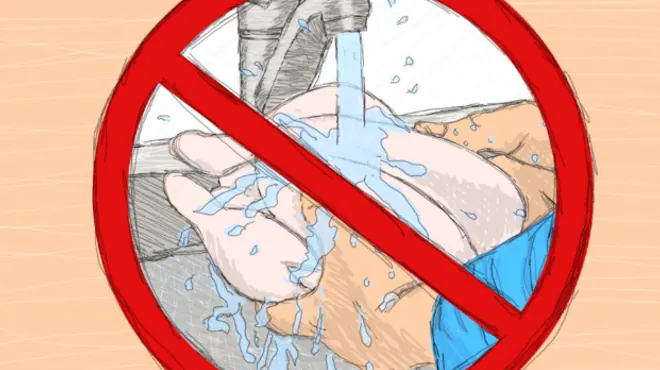
Table of Contents
- Understanding the Risks of Washing Turkey
- Why Don’t Wash the Turkey Is More Than Just a Saying
- Alternative Preparations for Turkey
- Cooking Techniques for Perfect Turkey
- Conclusion: Embracing Safe Practices
- 1. Thawing Properly
- 2. Rinsing the Ingredients
- 3. Seasoning without Washing
- 1. Roasting
- 2. Deep Frying
- 3. Smoking
Don’t Wash the Turkey: The Essential Guide to Safe and Delicious Turkey Preparation
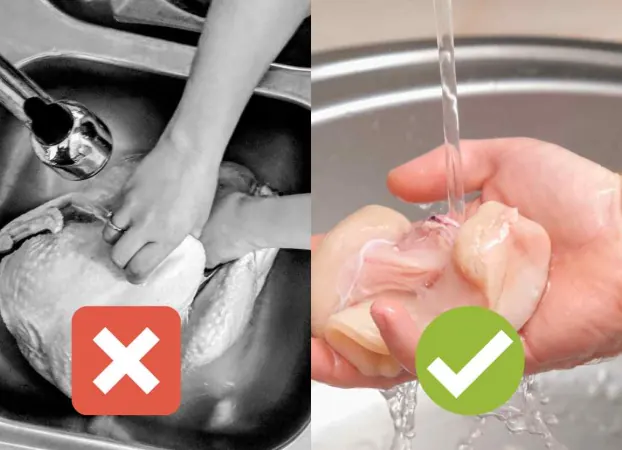
When it comes to cooking the perfect turkey, there are many myths and misconceptions that can lead to food safety issues. One of the most prevalent beliefs is that washing the turkey before cooking is necessary for hygiene. However, experts strongly advise against this practice, and in this article, we will explore the reasons behind the mantra: Don’t wash the turkey.
Understanding the Risks of Washing Turkey
The Centers for Disease Control and Prevention (CDC) and the United States Department of Agriculture (USDA) both emphasize that washing raw poultry can actually increase the risk of foodborne illness. When you wash a turkey, the water can splash bacteria, such as Salmonella and Campylobacter, onto your kitchen surfaces, utensils, and other foods. According to the CDC, approximately 1 million people in the U.S. get sick from Salmonella each year, and many cases can be traced back to improperly handled poultry.
Instead of washing, the USDA recommends cooking the turkey to a safe internal temperature of 165°F (73.9°C). Cooking the turkey to this temperature effectively kills harmful bacteria, making washing unnecessary and potentially hazardous.
Why Don’t Wash the Turkey Is More Than Just a Saying
The phrase Don’t wash the turkey encapsulates a crucial aspect of food safety. The fear of bacteria is valid, but washing the turkey does not eliminate these germs. In fact, it can exacerbate the problem. Here are several key points that underscore why this advice is essential:
Alternative Preparations for Turkey
Instead of washing the turkey, there are several safe and effective methods to ensure your bird is ready for cooking:
1. Thawing Properly
One of the first steps in turkey preparation is thawing. Turkeys should be thawed in the refrigerator, in cold water, or in the microwave if you plan to cook it immediately. The safest method is refrigerator thawing, which takes about 24 hours for every 4-5 pounds of turkey. This method keeps the turkey at a safe temperature and prevents bacterial growth.
2. Rinsing the Ingredients
While you should not wash the turkey, it is perfectly safe to rinse other ingredients, such as vegetables or herbs, that you will use for stuffing or garnishing. This can help remove dirt and pesticides. Just remember to wash them separately to avoid cross-contamination.
3. Seasoning without Washing
Seasoning is a critical part of turkey preparation. Instead of washing, you can create a flavorful brine or rub that infuses the meat with flavor while ensuring safety. Brining not only adds taste but can also help the turkey retain moisture during cooking. A simple brine can consist of water, salt, sugar, and your choice of herbs and spices. Allow the turkey to soak in the brine for at least 12 hours before cooking.
Cooking Techniques for Perfect Turkey
Once your turkey is thawed and seasoned, the next step is to choose a cooking method. Here are a few popular techniques:
1. Roasting
Roasting is perhaps the most traditional method for cooking turkey. Preheat your oven to 325°F (163°C) and cook the turkey for about 13-15 minutes per pound. Using a meat thermometer is crucial; insert it into the thickest part of the thigh without touching the bone to ensure an accurate reading.
2. Deep Frying
Deep frying a turkey can yield a crispy, juicy result, but it requires special equipment and safety precautions. Ensure the turkey is completely thawed and dry to prevent dangerous oil splatter. The oil should be heated to about 350°F (175°C) for best results, and the turkey should be cooked for about 3-4 minutes per pound.
3. Smoking
Smoking adds a unique flavor to turkey and can be a great option for gatherings. A smoker should be preheated, and the turkey should be cooked at a low temperature (around 225°F or 107°C) for several hours, depending on its size. This method requires patience but results in a deliciously tender turkey.
Conclusion: Embracing Safe Practices
In summary, the advice to Don’t wash the turkey is grounded in scientific research and food safety principles. By understanding the risks associated with washing poultry and embracing safe cooking practices, you can prepare a delicious turkey without compromising health. Remember, the key to a perfect turkey lies in proper thawing, seasoning, and cooking, not washing. Educating yourself and others about these practices ensures a safer cooking environment and a more enjoyable holiday meal.